
Yes, you can deduct office decorations—but here’s the catch: they’ve gotta actually help your business, not just look pretty. That means whiteboards, plants, rugs, and wall art qualify if they boost productivity or impress clients. Keep receipts and document why each piece matters to your work. You’ll claim them either through Section 179 (immediate deduction) or depreciation (spread over seven years). The IRS wants proof that your décor serves a real business purpose, so snap photos and jot notes. Stick around to learn exactly which decorations count and how to avoid costly mistakes.
What Makes Office Decorations Tax Deductible?
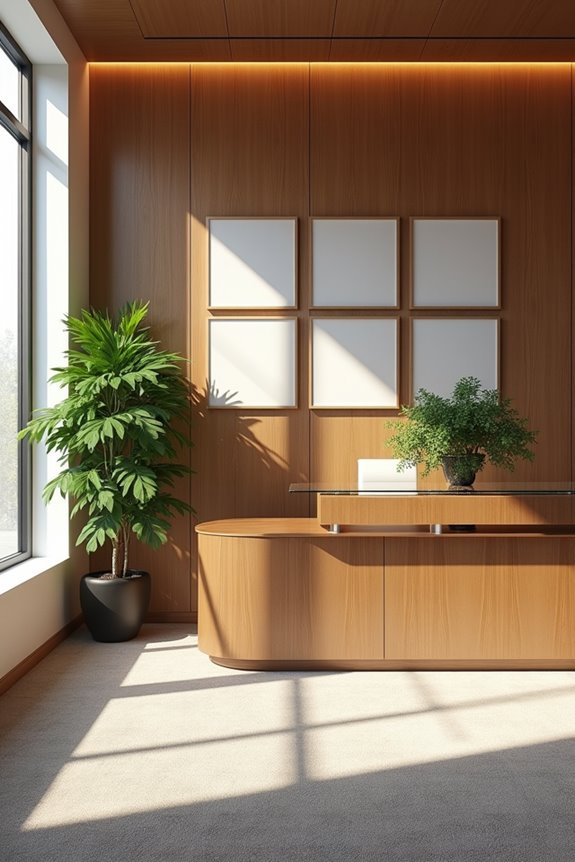
So here’s the thing—just because you’ve got a nice painting hanging above your desk doesn’t automatically mean the IRS is going to let you write it off. Your office décor only counts as a deduction when it’s ordinary and necessary for your business. That means it’s gotta serve a real purpose, not just make you feel good.
Think of it this way: if your decoration improves organization, boosts productivity, or impresses clients, you’re onto something. Wall art, plants, lamps, and framed certifications all work if they support your professional space. The key is documenting your business purpose clearly. Write down why each piece supports your operations or branding. Without solid documentation, even the best-intentioned décor won’t survive IRS scrutiny. Keep it simple and purposeful.
Which Types of Decor Qualify as Business Expenses?
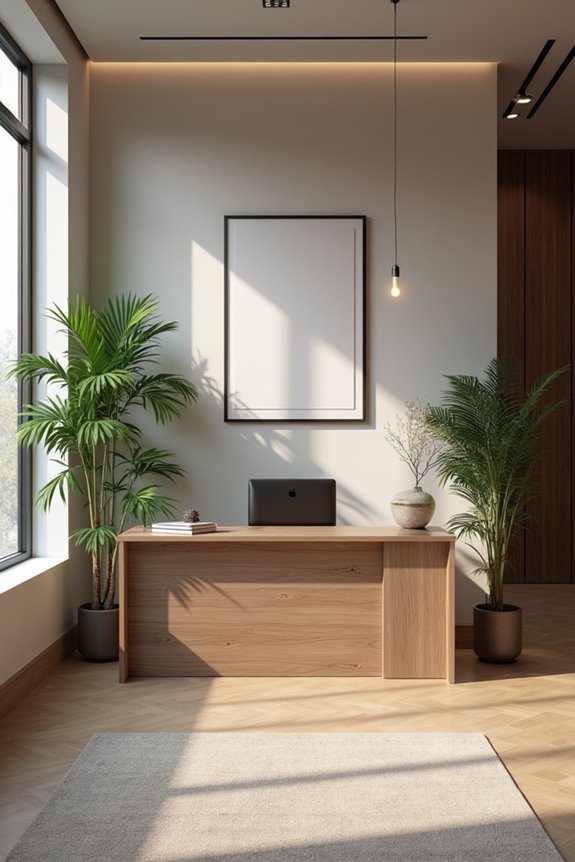
Now that you know the “ordinary and necessary” rule, let’s get specific about what actually qualifies. You can deduct office decor that serves a real purpose—think whiteboards, bulletin boards, and organizational systems that boost productivity. If you’re running a client-facing business, rugs, curtains, and plants in professional spaces count as legitimate business expenses because they create the right impression. Home office decor also qualifies if your workspace is dedicated and necessary to your work. Here’s the key: your decor needs a business justification, not just aesthetic appeal. Staging decor for real estate or product photography? That’s deductible too. The golden rule for deductibility is straightforward—if it directly supports your operations or client experience, document it well and you’re set.
How to Claim Your Deduction: Section 179 vs. Depreciation

Once you’ve figured out which decorations qualify, you’ve got two main ways to claim your deduction: you can use Section 179 to write off the entire cost in one year, or you can spread the deduction across seven years using depreciation (similar to choosing between using your entire budget today or rationing it). Your choice basically comes down to whether you need the tax break right now to offset this year’s income or if you’d rather chip away at it gradually, because timing matters when it comes to taxes.
Section 179 One-Time Deduction
You can deduct your office furniture purchase immediately in the year you buy it, rather than spreading the deduction across seven years through depreciation. Section 179 allows you to write off your entire office décor expense when you place it in service.
The specifics for 2025: you have a $2,500,000 deduction limit that phases out at $4,000,000 in income. Your deduction cannot exceed your business income for that year, though you can carry forward any unused amounts. Unlike depreciation, which spreads deductions across multiple years, Section 179 provides a single, immediate write-off. This approach works well if your current income supports a large upfront deduction and you want tax relief on business expenses right away.
Depreciation Over Seven Years
If the upfront deduction from Section 179 doesn’t fit your situation—maybe your business income’s too low right now or you’re thinking long-term—depreciation gives you another solid way to write off office furniture. You’ll spread the deduction across multiple years using the MACRS GDS, which stands for Modified Accelerated Cost Recovery System. For office furniture, you’re looking at a 7-year recovery period, meaning you’ll deduct a chunk each year rather than everything upfront. The system lets you use accelerated methods like 200% declining balance before switching to straight-line, which front-loads larger deductions early on. This approach works well if you’re planning to keep those pieces around for years and want steady annual write-offs.
What Records to Keep for the IRS

You’ll want to gather receipts and invoices for every decoration you’re claiming—yeah, I know it sounds tedious, but the IRS basically won’t believe you bought that desk plant for productivity unless you’ve got proof. Keep detailed notes right on your receipts explaining *why* each item matters to your business, whether it’s improving your client’s first impression or boosting your team’s focus, because a vague “office stuff” comment won’t cut it when the IRS comes knocking. Hold onto photos of your decorated workspace too, along with documentation showing it’s used exclusively for business, and you’ll have a solid backup plan if anyone questions whether you’re just making your space pretty or actually running a legitimate operation.
Documentation Essentials For Deductions
How’d you like to keep more of your hard-earned money when tax season rolls around? You’ll want solid documentation for your office use deductions—and honestly, this is where most people drop the ball.
Start by keeping receipts and invoices linked directly to specific business spaces. Note the business purpose for each decoration purchase: Did it impress clients? Boost employee morale? Write it down.
Take measurements and document installation details for items like wall art or curtains to support your deductions later. Snap photos showing items in your office space.
Here’s the important part: separate personal decor from business decor in your records. The IRS wants proof that items you’re claiming are used primarily for business, not personal enjoyment.
Track outcomes too—improved client impressions or increased bookings strengthen your case considerably.
Receipts And Invoice Organization
Now that you’ve got your documentation strategy in place, it’s time to get organized—because here’s the thing: a great idea written on a napkin won’t help you when the IRS comes calling.
You’ll want to save every receipt and invoice with vendor names, dates, item descriptions, and amounts. Attach notes linking each purchase to its specific business use. This organization system becomes your audit armor.
| Document Type | What to Include | Why It Matters |
|---|---|---|
| Receipts | Vendor, date, items, cost | Proves you bought it |
| Invoices | Detailed descriptions, business purpose | Shows it’s deductible |
| Photos | Installation location, space context | Demonstrates business relevance |
Create categories by decoration type—wall art, rugs, plants—and track expenses by project. You’re building a paper trail that tells a clear story: these weren’t impulse buys; they’re legitimate business investments supporting your operations and client experience.
Business Purpose Record-Keeping
What separates a deductible decoration from one that’ll get flagged during an audit? Your decor records do. You’ll want to keep detailed documentation showing how each item supports your business use. Gather your receipts and note the purchase date, item description, and cost for everything you buy. Here’s the important part: write down *why* you bought it. Did that artwork improve client impressions? Does that organizer boost productivity? Connect each decoration directly to your business operations or branding. The IRS wants to see the business purpose clearly, so don’t skip this step. Your documentation should tell a story linking every piece to your company’s success. When you’re organized here, audits become less stressful.
Office Spaces: Creating a Professional First Impression
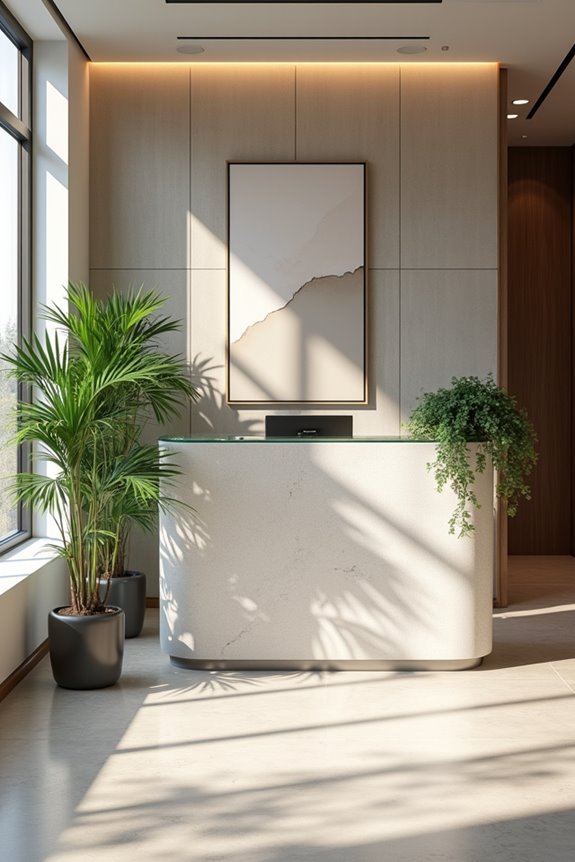
When you walk into your office—whether it’s a corner of your home or a dedicated commercial space—what you see matters more than you’d think. Your decorations aren’t just attractive; they’re working for your business. Here’s what you’re building:
- Clean, organized walls that help clients trust you immediately
- Plants and accent pieces that support focus and productivity
- Framed certifications displaying your expertise and credentials
- Professional rugs and art that reflect your industry’s standards
These decorations become deductible when they’re strategic choices supporting your business impressions. You’re not decorating for personal reasons—you’re creating an environment where productivity happens and clients feel confident. That professional space you’re cultivating? It’s an investment in your business’s success, making those decorations legitimate tax-deductible expenses.
Can You Deduct Decor in Airbnb and Rental Properties?

If you’re running an Airbnb or renting out a property, you’ve probably wondered whether that trendy gallery wall or potted plant actually counts as a business expense—and the answer is yes, it can, as long as you’re strategic about it.
| Decor Type | Deductible? | Business Purpose |
|---|---|---|
| Locally inspired art | Yes | Supports marketing appeal |
| Themed wall pieces | Yes | Enhances guest experience |
| Ambience plants & rugs | Yes | Attracts bookings |
| Staging materials | Yes | Professional presentation |
| Personal memorabilia | No | Not business-related |
You’ll deduct decor based on your business-use percentage. Direct items—like art specifically chosen for guest rooms—are fully deductible. Indirect items split the deduction. The key? Document everything showing how your decor supports bookings and guest satisfaction. Keep receipts and photos proving business purpose.
Does Decor Count as a Business Expense for Creative Professionals?

Yes, your office decorations can be tax-deductible if you’re a creative professional working from a dedicated business space.
As a designer, writer, or artist, you’re building a professional environment. Your home office deduction covers decor that enhances client experience or supports your work:
- Wall art and gallery lighting that impress clients
- Plants and greenery that support productivity and mood
- Functional storage that organizes your workspace
- Color schemes designed specifically for your business brand
The key? Documentation and receipts prove your decor as a business expense, not personal preference. Track everything showing how each piece serves your creative practice. When you properly document business purpose, you’re telling the IRS your space generates income—and that’s entirely legitimate.
What Home Office Decor Rules Should You Know?
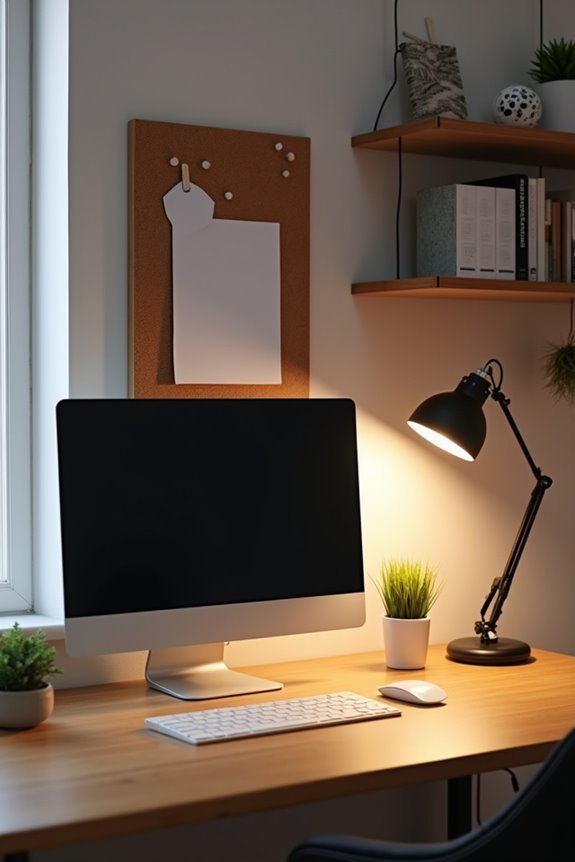
How do you know which decorations actually count as business expenses versus stuff you’d buy anyway? The key is understanding the home office deduction rules that apply to your space.
You’ll need exclusive and regular use of your area for business purposes. That means your desk, filing cabinets, and organizational decor support your work—not just look nice. Calculate your business-use percentage to determine what you can claim.
You have two claiming methods: the simplified approach based on square footage, or actual expenses for everything from plants to wall art that boost productivity. Functional items like shelving or professional certifications qualify better than purely decorative pieces.
Track what actually helps you work efficiently. You’re building something real here, and the IRS rewards intentional business choices that make genuine sense for your operations.
Common Mistakes That Could Cost You This Deduction
Most people mess up their office decoration deductions not because they’re trying to cheat the system, but because they’re just not thinking like the IRS does.
Most office decoration deduction mistakes happen because business owners simply aren’t thinking like the IRS does.
You’ll want to avoid these common pitfalls:
- Claiming personal items as business expenses — that motivational poster you love might not pass IRS inspection
- Skipping documentation — you need written proof showing how each decoration serves your business purpose
- Mixing depreciation methods — switching between Section 179 and regular depreciation creates confusion and red flags
- Over-decorating without justification — lavish decorations attract scrutiny faster than sensible ones
The key? Keep detailed records explaining exactly how your decorations improve productivity, organization, or client impression. Track everything. When you document your business purpose clearly, you’re not just protecting yourself — you’re among business owners who get their deductions approved.