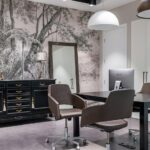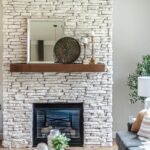
Your accent wall creates a visual anchor that draws the eye and organizes your whole space with purpose. You’re basically telling visitors, “Look here!”—and it works because bold color or texture on one strategic wall shapes the mood you feel walking in. Pair it with grounding furniture and lighting, and you’ve got a defined focal point that prevents your décor from feeling scattered. The best part? It’s far more affordable than redecorating everything. There’s more to discover about choosing your perfect wall.
How Accent Walls Create Visual Focal Points and Anchor Room Layout
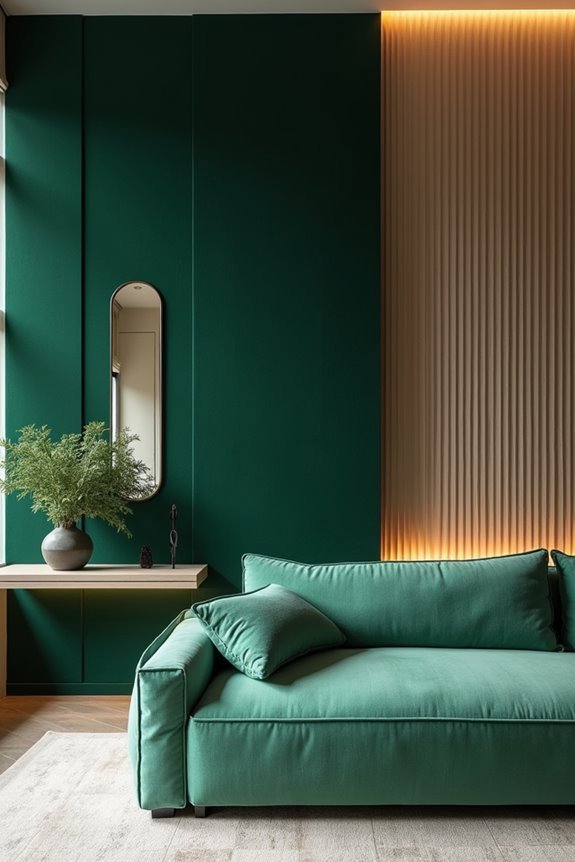
Ever walked into a room and felt like your eyes didn’t know where to look? That’s where accent walls work. An accent wall creates a visual focal point—basically a “look here” moment for your space. By choosing one wall with a bold color or striking wall decor, you organize your room layout and give it purpose.
The trick is matching your accent wall to existing architectural features like fireplaces or built-ins. This increases prominence without cramming too much style into one spot. In open-plan rooms, place your accent wall on the longest uninterrupted wall. This elongates the space while providing visual contrast that defines your room’s mood.
You’re not just painting; you’re designing intention into your home.
Choosing the Right Wall: Where to Create Your Focal Point
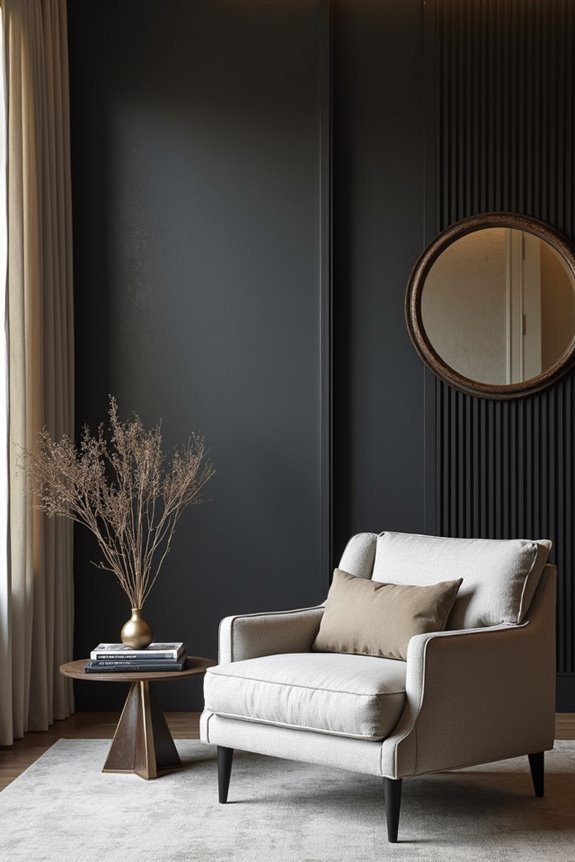
Which wall in your room needs attention? That’s where your accent wall journey begins. You’ll want to choose a wall that’s long and uninterrupted—think of it as your canvas. Look for walls with architectural features like fireplaces or built-ins; they work well as focal points.
| Wall Feature | Best For |
|---|---|
| Long, unbroken surface | Maximum visual impact |
| Near windows | Natural lighting boost |
| With fireplace | Instant focal point |
| Open-concept anchor | Room unity |
Avoid walls with doors or windows scattered across them—traffic flow diminishes your focal point’s effectiveness. Check your lighting situation too; natural daylight affects how wall decor looks. In open-concept spaces, select the wall anchoring your seating zone. This strategic choice creates visual unity and improves your room’s appearance.
Color Psychology: How Accent Wall Tone Shapes Your Mood
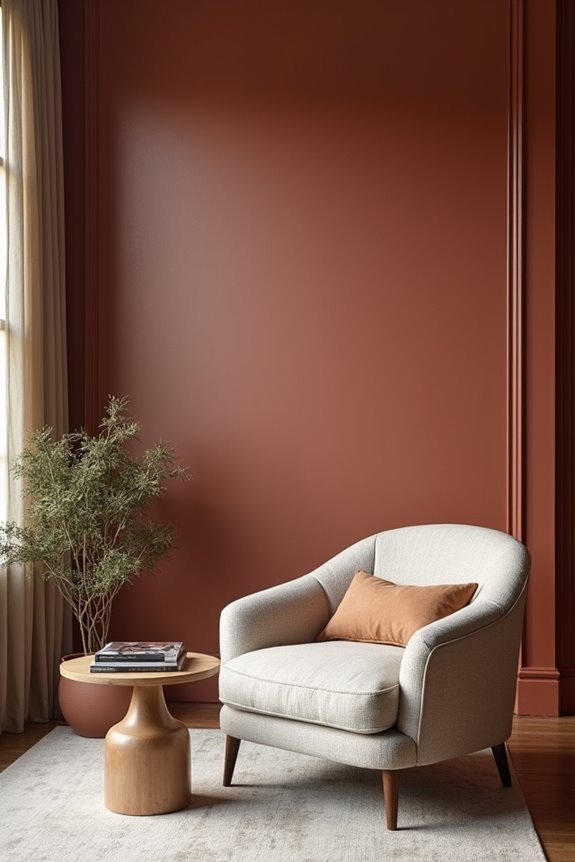
Now that you’ve picked your perfect wall, it’s time to choose a color that’ll actually make you feel something when you walk into the room. Color psychology is basically the science of how colors affect your emotions, and your accent wall is prime real estate for this effect. Want to chill out after a hectic day? Calming colors like navy blue or soft greens create that relaxing, comfortable vibe. Craving energy? Mustard yellow and warm oranges’ll perk you right up. Here’s the thing though: lighting impact matters hugely. Natural daylight shows your wall color’s true self, while warm artificial lighting softens everything beautifully. This wall color perception technique shapes your entire room’s mood without overwhelming the space. Pick your color with intention, and watch your mood shift right away.
Material Comparison: Cost, Durability, and Installation by Type
Your wall decor choices break down like this:
- Paint – cheapest option, easy installation, but offers zero texture unless you add special finishes
- Wallpaper or textured finishes – moderate cost, strong visual impact, requires careful application but delivers professional results
- Wood paneling or MDF panels – pricier upfront, highly durable, creates warmth that photographs well
Each accent wall material trades off differently. Paint installs fastest but needs repainting eventually. Quality wallpaper lasts longer and hides imperfections better. Wood paneling costs more initially yet ages well, especially reclaimed timber options. Removable materials work perfectly if you’re renting. Consider your lifestyle, budget, and how long you’ll want that accent wall unchanged.
Anchoring Your Accent Wall With Furniture and Lighting
Once you’ve picked your accent wall material and color, furniture and lighting work together to support it. Strategic anchoring furniture like a console or seating arrangement grounds your focal point without blocking the view. Then comes the lighting accents part, which changes how the space reads. Wall illumination through sconces or picture lights creates dimensional drama that draws attention to your accent wall. Layer in texture with throws and pillows that echo your wall’s color, and you develop room balance that feels deliberate. This combination of console placement and decorative lighting is what makes your space feel carefully designed rather than haphazard.
Keeping Your Accent Wall Stunning: Care and Refresh Cycles
Because your accent wall is basically the star of the show in your room, it deserves regular attention to keep it looking its best. Your wall’s color integrity and texture maintenance matter just as much as picking the right shade in the first place.
Here’s your care and upkeep plan:
- Clean regularly – Wipe your wall with a soft, damp cloth monthly to prevent dust from dulling that vibrant color you worked hard to achieve.
- Watch for lighting shifts – Sunlight changes seasonally, which means your wall’s color might look totally different in winter versus summer; re-evaluate and adjust decor accordingly.
- Refresh strategically – Rotate art, lighting, or textiles every 6–12 months to keep things feeling fresh while maintaining cohesion and durability.
This simple rhythm keeps your accent wall looking great without constant overhauls.