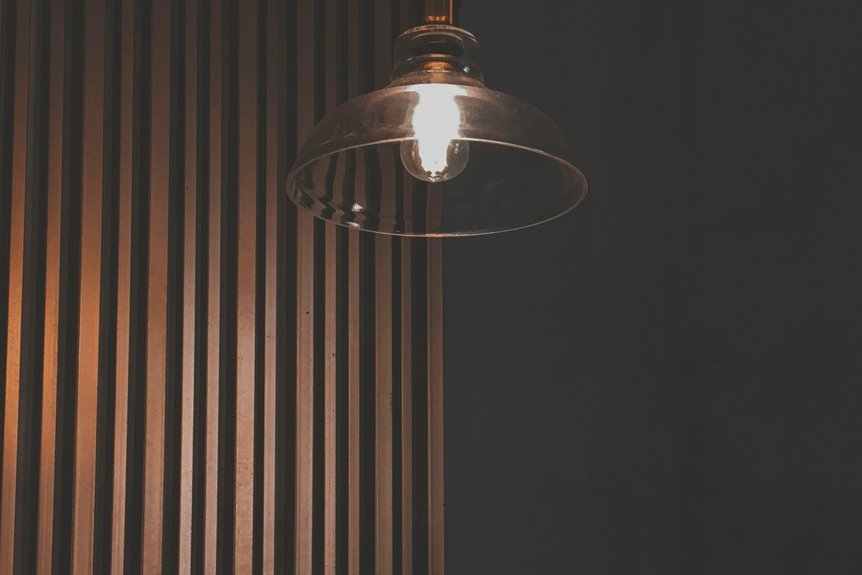
Decorative lighting prioritizes beauty while delivering the illumination you actually need—think chandeliers, pendants, and wall sconces instead of just overhead bulbs. It matters because it changes rooms from purely functional spaces into places that reflect who you are. By layering ambient, task, and accent lighting, you control mood and atmosphere. You’re using fixtures as design elements that highlight your best features and create visual interest. The right decorative lighting makes your home feel intentional and welcoming, not sterile. Discover how to choose fixtures that work for your specific space.
Define Decorative Lighting and Distinguish It From Other Types
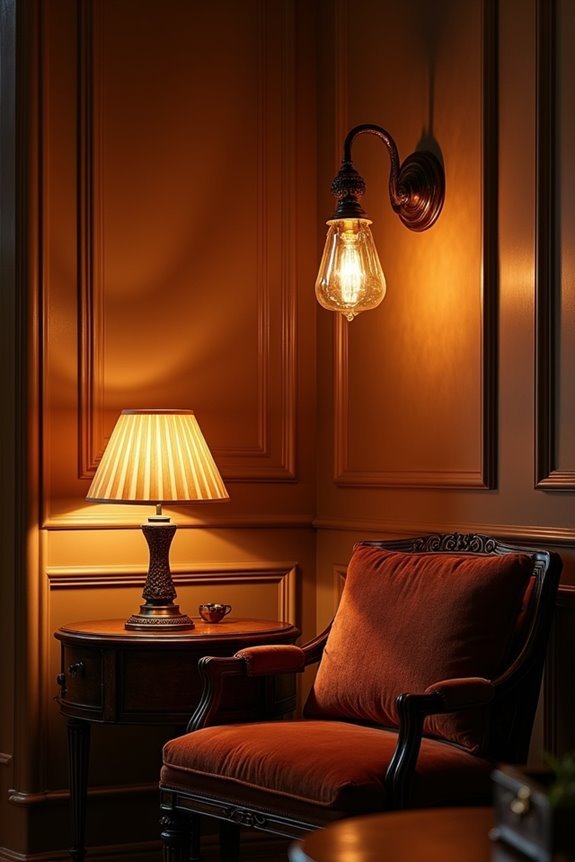
When you’re trying to figure out what makes a light fixture “decorative” instead of just, well, a regular light, here is the thing: decorative lighting prioritizes aesthetics while still delivering illumination. Unlike technical or architectural lighting that purely serves functional purposes, decorative fixtures like chandeliers, pendants, and wall sconces are chosen to match your style and create mood in your space. The advantage? Decorative lighting can serve multiple purposes—it works as ambient lighting for overall brightness, accent lighting to highlight specific décor, or task lighting depending on where you place it. Whether hardwired, plugged in, or battery-operated, these decorative fixtures change how your room feels and looks.
What Makes Decorative Lighting Essential to Interior Design
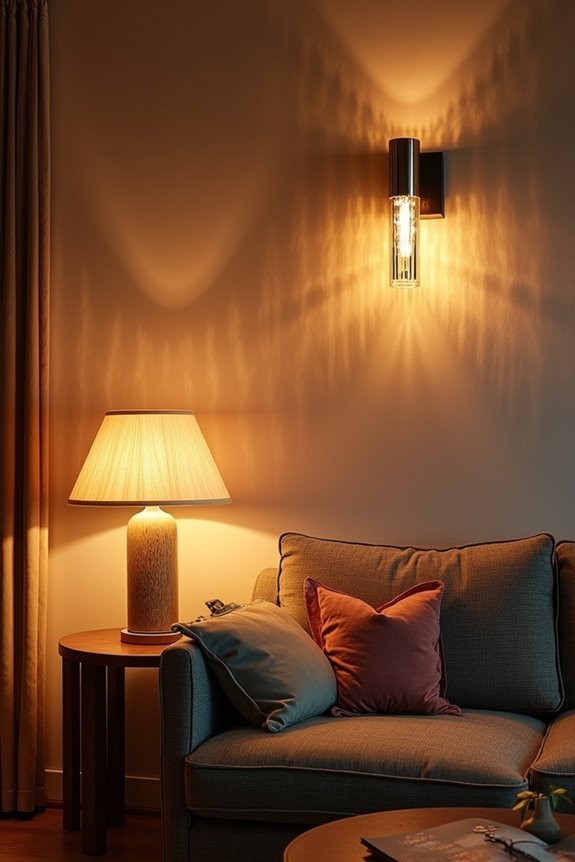
Beyond just turning on a light switch, decorative lighting is what actually shapes a room into a space that feels like *you*—and that’s where interior design really happens.
Here’s why it matters so much: you’re not just lighting a room, you’re telling your story. Decorative lighting creates focal points that draw eyes to your favorite artwork or architectural features. It layers your space with ambient lighting that sets mood, while highlighting what matters most to you.
| Feature | Purpose | Room Impact |
|---|---|---|
| Chandeliers | Statement pieces | Creates elegance |
| Wall sconces | Accent lighting | Frames mirrors |
| Pendants | Task + style | Defines zones |
| Table lamps | Warm ambiance | Personal touch |
| Dimmable controls | Energy efficiency | Mood flexibility |
Modern fixtures with LED technology balance beauty with practicality, so you’re not sacrificing your budget for style.
Choose the Right Fixture for Your Space and Needs
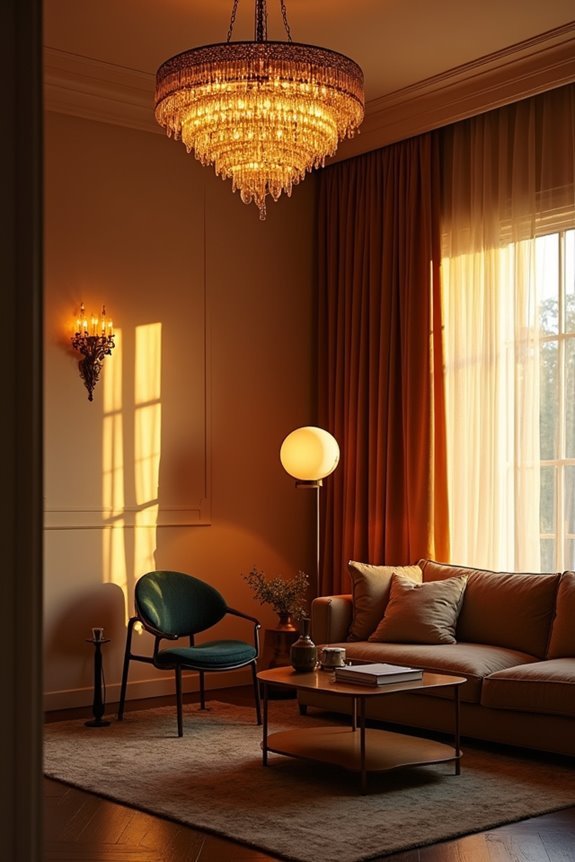
How do you know which fixture actually belongs in your space? Start by identifying your room’s purpose and existing lighting layers. If you’re working with ambient lighting as your foundation, decorative lighting fixtures like chandeliers or pendant lights can enhance that base while adding personality. Consider your ceiling height and architectural features—high ceilings benefit from substantial pieces, while cozy spaces need fixtures that don’t overwhelm. Think about the mood you’re creating. A crystal chandelier conveys formality and elegance, while a minimalist pendant keeps things modern and relaxed. Match your decorative lighting to your décor style, then layer in task lighting where you actually need brightness. The right fixture doesn’t just illuminate; it makes your space feel like home.
Common Decorative Fixtures: Chandeliers, Pendants, Sconces, and Lamps
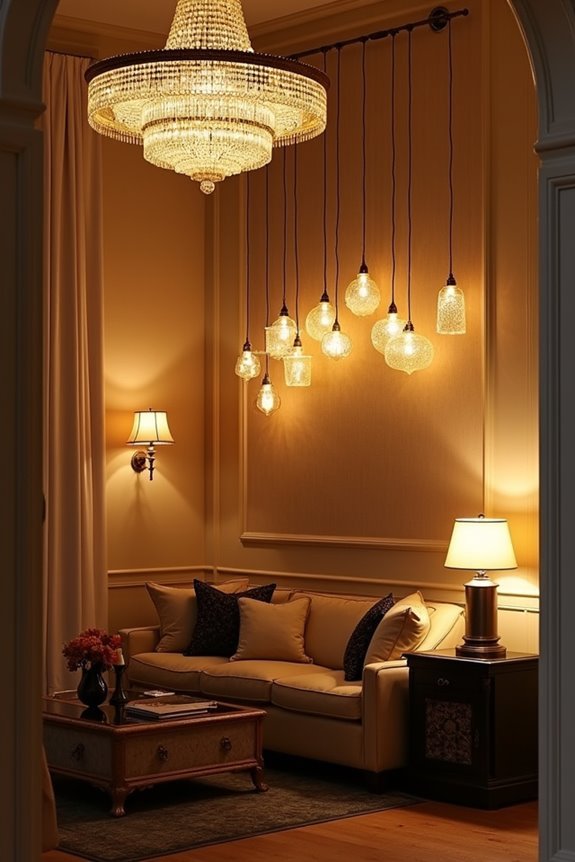
You’ve got plenty of great options when you’re hunting for the perfect decorative fixture, and honestly, each type does something pretty different—chandeliers give you that centerpiece presence, pendants focus light exactly where you need it, sconces brighten up your walls without taking up floor space, and lamps let you mix function with style wherever you place them. The trick is figuring out which one (or combo of them) actually matches what your room needs and what look you’re going for, since a crystal chandelier conveys formality while a simple pendant keeps things modern and minimal. Let’s break down how each of these fixtures works so you can make confident choices and build lighting that serves your space well.
Chandelier Design and Styles
When you’re standing in your dining room wondering why it feels so blah, chances are your lighting’s got something to do with it—and that’s where chandeliers and pendant lights come in. Traditional chandelier design features multiple arms with candelabra bulbs that create shimmering prisms and warm ambient light—think elegant and timeless. Contemporary chandelier styles, however, embrace geometric forms with integrated LED modules for a sleeker vibe. You’ll find traditional options work well at 30–36 inches above your table, while modern styles fit in open-plan spaces. Both approaches let you choose your color temperature and brightness level, helping you craft the decorative lighting and lighting aesthetics your space needs.
Pendant, Sconce, and Lamp Applications
While chandeliers steal the spotlight in dining rooms, the rest of your home’s still waiting for its moment to shine—and that’s where pendants, sconces, and lamps come in handy.
Pendant lights work beautifully over kitchen islands or reading nooks, directing focused task lighting exactly where you need it. Wall sconces beside your bed or down hallways create intimate spaces with purpose and design. Meanwhile, table lamps and floor lamps let you move light around, giving you flexibility that suits your lifestyle.
The trick with effective lighting design? Matching fixtures to your room’s purpose and scale. Position pendant lights 28–34 inches above counters, and your kitchen functions better. Layer these fixtures together, and you’ve created a home where every corner welcomes you in—because that’s what belonging actually looks like.
Layer Your Lighting for Dynamic Mood and Atmosphere
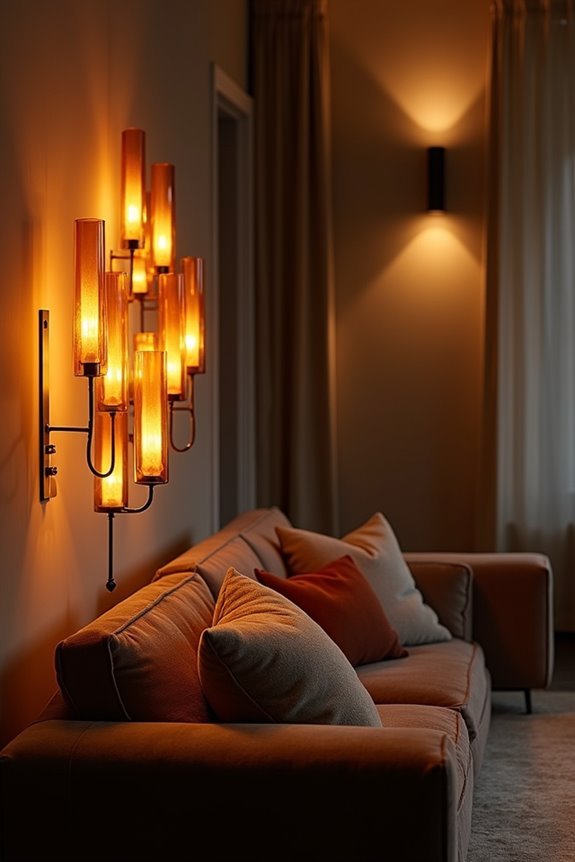
You’ve got three layers working together—ambient lighting for overall brightness, task lighting for getting stuff done, and accent lighting for highlighting specific features—and when you combine them right, you’ll create the right mood in any room. Think of ambient as your foundation (that’s the general glow keeping you from bumping into furniture), task as your spotlight on activities like cooking or reading, and accent as your way of drawing attention to cool features like artwork or architectural details. By adjusting these layers and playing with color temperature, you’re giving yourself a dimmer switch for your entire mood—going from cozy evening vibes to bright, energetic daytime energy whenever you feel like it.
Ambient, Task, and Accent
How’d you like to improve a boring room into a space that actually feels alive? The key is understanding three lighting types that work together beautifully. Ambient lighting provides gentle, even illumination throughout your room—think of it as your lighting foundation. Task lighting is brighter and focused, perfect for reading or cooking without straining your eyes. Accent lighting highlights special features like artwork or architectural details, adding drama and personality. When you layer these three together, you’re not just lighting a room; you’re creating an atmosphere that adapts to your day. Centered ambient light, directional task light, and strategically placed accent lighting change how your space feels and functions, whether it’s morning coffee or evening relaxation.
Creating Dynamic Atmospheric Effects
Now that you’ve got the basics down—ambient, task, and accent lighting working together—it’s time to layer these three types to create different atmospheres that shift with your needs throughout the day.
Here’s how it works: you’re not stuck with one mood forever. By adding dimming controls to your decorative lighting setup, you create scenes that adapt to different times and activities. Warm ambient lighting at 2700K provides comfort during evenings, while cooler tones at 3500K improve focus during work hours. Smart dimmers let you adjust mood instantly—bright and energizing for morning, intimate and calming by night.
The result? Your room becomes adaptable, matching your energy and activities throughout the day.
Select Fixtures That Match Your Design Style
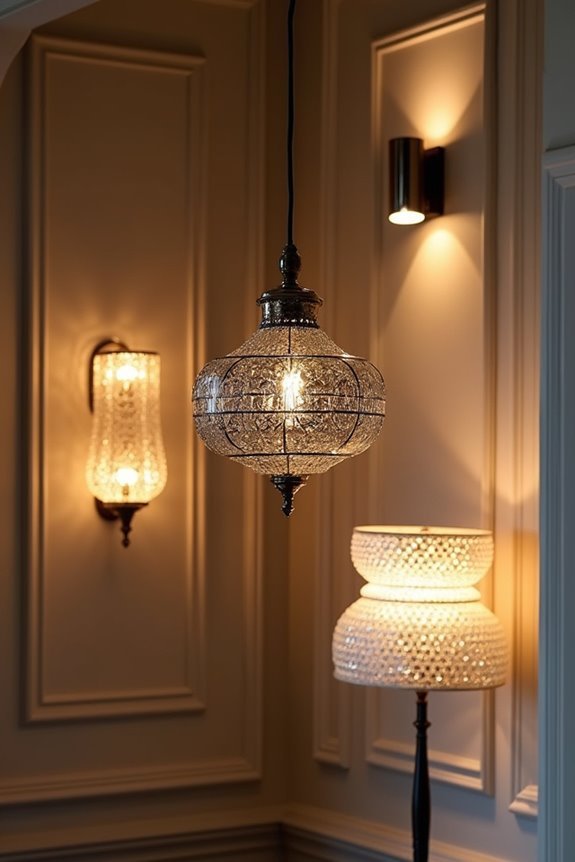
What’s the point of picking a light fixture if it clashes with everything else in your room? You’ve got to match your decorative fixtures to your actual design style—whether that’s traditional, contemporary, or somewhere in between. The finishes you choose matter. Brushed aluminum and matte steel work well for modern spaces, while crystal and ornate details suit classic styles. Think about color temperature too; warmer tones (around 3,000 lumens) create comfortable spaces, while cooler lights feel crisp and energetic. Your fixtures should coordinate with your furniture, your walls, and your overall aesthetic. When everything coordinates, your space actually looks deliberate rather than like you just grabbed whatever was on sale. That’s when decorative lighting works best.
Highlight Your Home’s Best Features With Strategic Placement
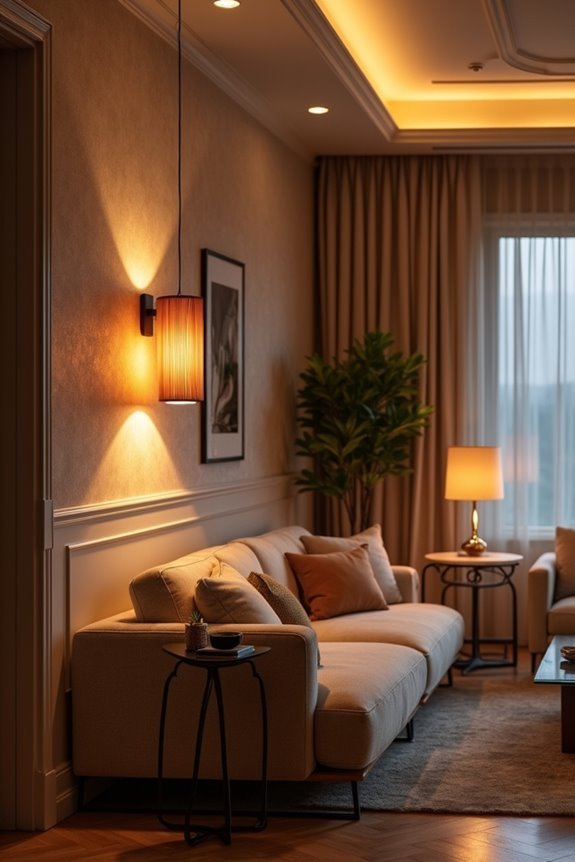
You’ve probably got that one painting or architectural detail you’re proud of, but here’s the thing—if your lighting doesn’t highlight it, nobody’s going to notice it. Accent lighting like wall sconces or picture lights are focused tools because they shine a beam on exactly what you want people to see without washing out the whole room. Pick directional LEDs with the right color temperature (warm light at 2700K works well for creating that cozy-but-fancy vibe), and you’ll suddenly have features that look deliberate instead of accidentally lit.
Accent Lighting for Artwork
Ever walked past a painting in your home and thought, “Why doesn’t that look as remarkable as it did in the gallery?” Here’s the thing—it probably isn’t the artwork’s fault.
Accent lighting changes how you experience your favorite pieces. By positioning directional fixtures like track lighting or adjustable spotlights strategically around artwork, you’ll create drama and draw your eye exactly where you want it. High-CRI LEDs deliver true color reproduction, while controlled beam angles provide focused brightness without washing out details or creating glare.
The real benefit comes when you layer accent lighting with your room’s overall illumination. This approach highlights texture, enhances contrast, and makes your artwork stand out. You’re not just lighting a wall—you’re creating the gallery experience at home, where your cherished pieces finally look as good as you remembered.
Architectural Detail Enhancement
Have you ever noticed how some homes feel more impressive than others, even when they have similar furniture and paint colors? That’s often decorative lighting doing the heavy lifting. Your architectural features—those gorgeous moldings, fireplace surrounds, and alcoves you paid good money for—deserve attention. Wall sconces and accent lighting positioned strategically along walls create depth and highlight textures like stone or wood paneling. Pendant fixtures above focal points work double duty as both functional lighting and sculptural art. Here’s what works: adjustable fixtures let you control exactly how light dances across your details throughout the day. Warmer color temperatures (around 2700K) make intimate features glow, while brighter settings emphasize texture-rich areas. You’re not just lighting your home; you’re showcasing its personality and making everyone feel the welcoming beauty you’ve created.
Create Visual Harmony Across Every Room
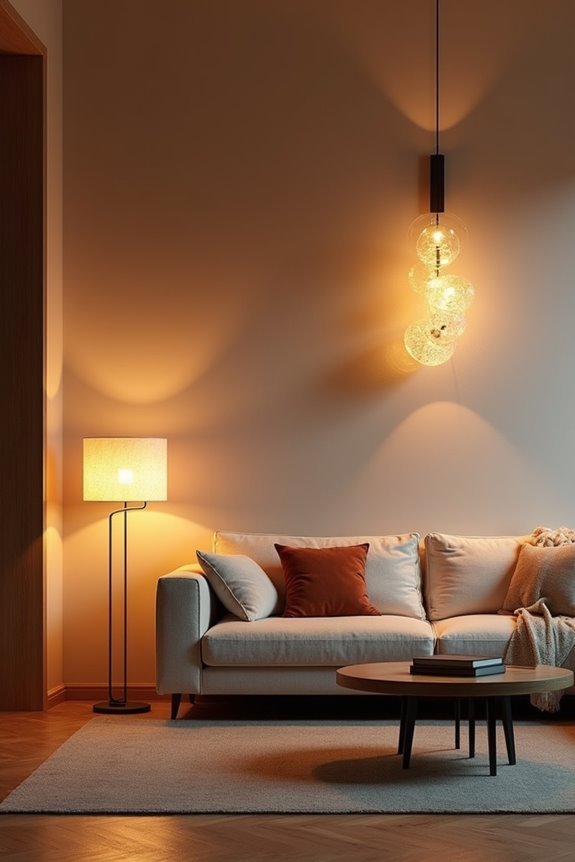
Creating visual harmony across every room starts with understanding how different types of lighting work together—kind of like assembling a band where each instrument plays its part. You’ll want ambient lighting as your foundation, providing that even glow that makes a space feel deliberate rather than chaotic. This base layer of interior design sets the mood before you layer in decorative lighting for personality and visual interest.
When you position ambient fixtures toward your room’s center and closer to the ceiling, you’re creating balance throughout your space. The result? Every corner feels connected and unified. Your decorative lighting then builds on this foundation, adding character without overwhelming the room. That’s how you achieve the welcoming, well-designed feeling you’re actually seeking in your home.
Energy-Efficient and Smart Decorative Lighting Choices
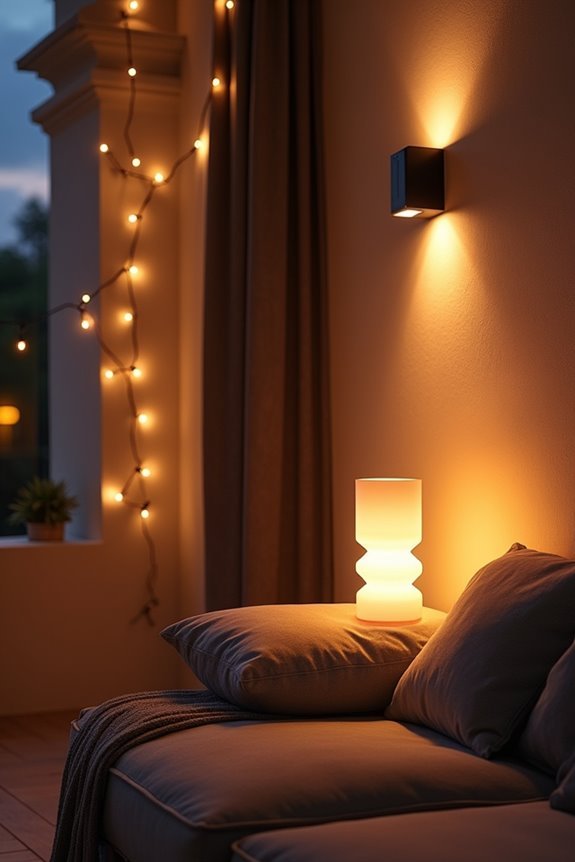
Now that you’ve built that solid foundation with ambient lighting and added personality with decorative fixtures, there’s something else worth considering: you don’t want your beautifully designed space to drain your wallet every month.
Here’s the good news: LED technology makes your decorative lighting far more efficient. These bulbs use way less electricity than traditional options, slashing your operating costs while lasting considerably longer.
Want even smarter control? Smart lighting systems like Alexa and Google Home let you schedule scenes and adjust brightness automatically. Adaptive dimming matches your mood while preserving that perfect ambiance you’ve created, and color-tunable RGB fixtures blend beautifully without overheating.
The result? You’re creating a connected home that responds to your lifestyle, saves money, and looks absolutely remarkable—without the guilt or complicated setups.
Decorative Lighting for Outdoor Spaces
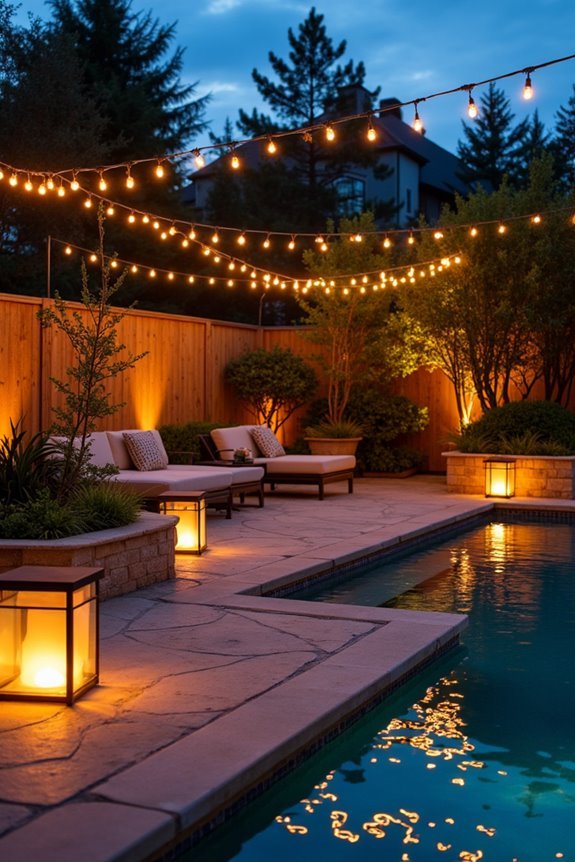
Your outdoor space deserves just as much lighting attention as your indoor rooms, and that’s where things get really fun. You’ll want outdoor lighting that actually works—fixtures with IP65 ratings that resist rain and dust while keeping your patio safe and beautiful. LED options give you bright illumination without those annoying electricity bills creeping up on you. Look for glare-free illumination through bollards with downward-pointing designs that won’t blast your neighbors with unwanted brightness. In-ground recessed lights blend smoothly into walkways, creating visual interest without looking like an alien landing strip. Add dusk-to-dawn sensors, and your outdoor space lights itself automatically. You’re not just decorating; you’re creating the gathering spot everyone wants to hang out in.